Seasonal
Why Seasonal Fruit Tastes Better
In season means the fruit grew in the weather it evolved for.
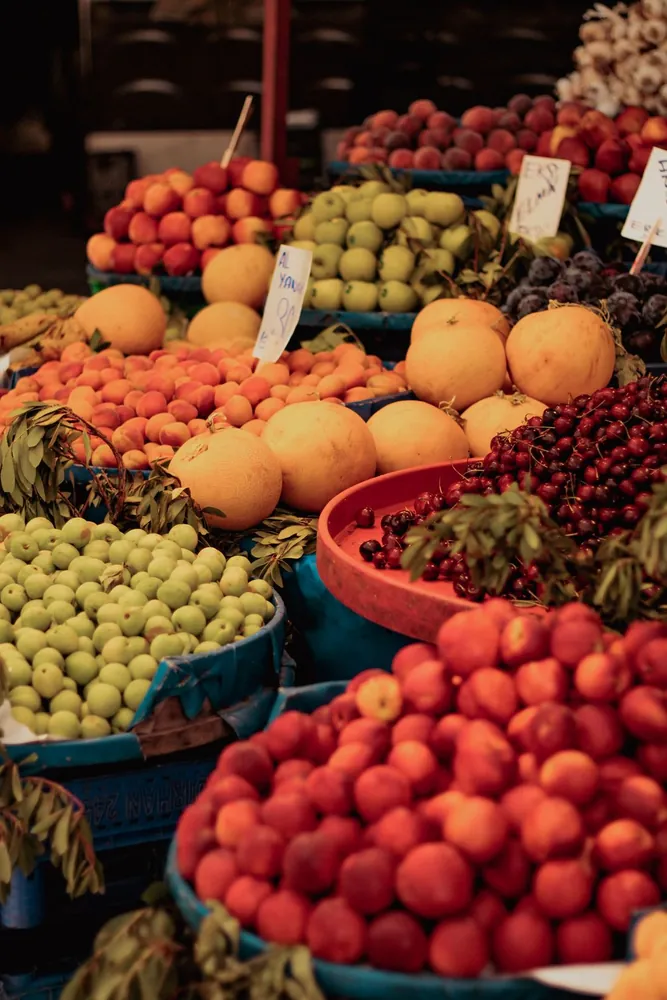
In season is not a marketing word. It means the fruit grew in the weather it evolved for — ripened on the plant at the right temperature, not coaxed to sweetness in a ripening room. That is where flavour lives.
The weather writes the flavour
A strawberry in January exists, but it was grown far away under lights and picked before its sugar rose. It looks like a strawberry. It does not taste like one. The sun, the soil and the season are half the recipe.
What off-season really costs
Off-season fruit travels for weeks and is often coated to survive it. It is harvested early, held in cold storage, and sold for its shape rather than its taste. The price we pay is quietly subtracted from flavour.
“Good fruit is about timing.”
The calendar is the menu
When we list a fruit only while growers are picking it, the calendar decides the menu. Some months are abundant, others are sparse. We would rather say no to a fruit than sell it out of season.
End of story
Keep reading
More from the journal
Seasonal
When Peaches Are at Their Best
A stone fruit has a two-week window. Here is how to catch it.
4 min read
Fruit Guides
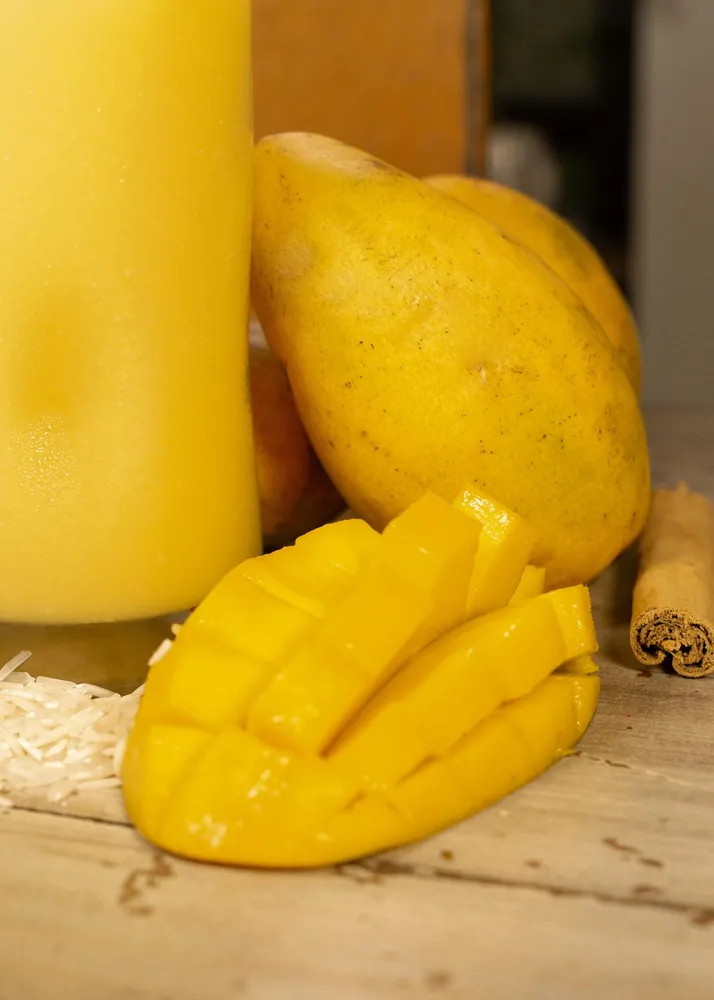
The Art of the Perfect Mango
A guide to choosing, ripening and enjoying mangoes at their best.
6 min read
Fruit Guides
How to Tell When a Mango Is Ripe
Smell, squeeze, and weigh — the three tests that never lie.
4 min read
The fruit letter
The Fruit Letter
Seasonal fruit. Recipes. Stories from the orchard. Delivered occasionally.
No daily emails. Just good fruit stories.